What is your role at the museum, and what do you enjoy most about your work?


I am the Director of Learning and Public Engagement which means I am part of a department that works with all audiences that visit the museum. Penn Museum serves local, national, and international visitors as well as university staff and students. One of my favorite programs developed in partnership with our Marketing Communications team is Mind and Mood Recharge, powered by Penn Medicine. It invites everyone to engage in meditation, yoga, and sound baths inside the galleries. Guests looking to unwind after work in this wellness program can experience a meditative sound bath while admiring artifacts in our Asia Galleries.

What makes the Penn Museum different from a traditional history museum?


Penn Museum provides historical information about many ancient civilizations and cultures, however, the mission is to go even further to help visitors find our shared humanity. Exhibitions and programming not only share the stories of the past but also how archaeological research helps to uncover details of how humans lived. Looking closely at artifacts and cultural objects from around the world, the museum encourages you to find what is universal about the human experience, as well as the differences.

How does the Penn Museum open access to the fields of archaeology and anthropology?


Penn Museum’s programming encourages visitors of all ages to better understand how archaeologists and anthropologists study material. Through our Carifacts program, families can touch replica objects that are like what Penn Museum archaeologists found during their excavations. Popular with young professionals, Ancient Alcohol explores how people of the past partied—showcasing ancient drinking vessels, including the golden beer straw of a Mesopotamian queen. For anyone who wants to learn even more, we offer a series of online lectures, Archaeology in Action, and four-week virtual courses, The Deep Dig. By helping guests experience archaeology first-hand, it encourages learning that can reach any age.

Mind and Mood Recharge | Photo courtesy of Penn Museum

Mind and Mood Recharge | Photo courtesy of Penn Museum

Mind and Mood Recharge | Photo courtesy of Penn Museum

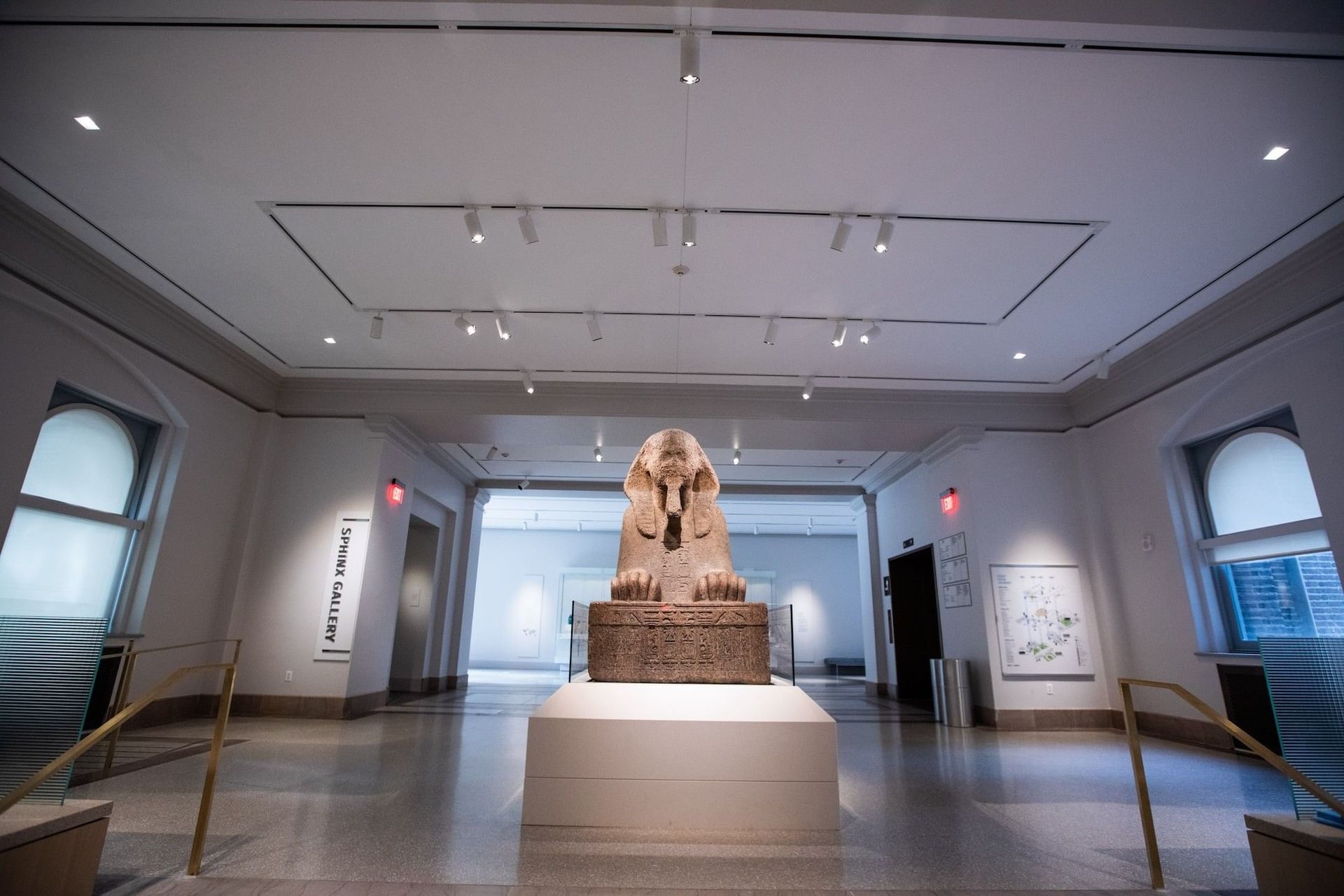
Up Late with the Sphinx | Photo courtesy of Penn Museum

Up Late with the Sphinx | Photo courtesy of Penn Museum

Up Late with the Sphinx | Photo courtesy of Penn Museum

CultureFest! Lunar New Year | Photo courtesy of Penn Museum

CultureFest! Lunar New Year | Photo courtesy of Penn Museum

CultureFest! Lunar New Year | Photo courtesy of Penn Museum

Kwanzaa celebration | Photo courtesy of Penn Museum

Kwanzaa celebration | Photo courtesy of Penn Museum

Kwanzaa celebration | Photo courtesy of Penn Museum

The Penn Museum hosts an impressive 180,000+ visitors every year. What can new visitors expect that's unique, and what keeps members and repeat guests coming back?

Penn Museum offers different programming throughout the year.  Students and teachers can book field trips to see exhibitions and try hands-on workshops. Families can book a special experience called “Up Late with the Sphinx,” an after-hours program for children ages 6-12 that includes a flashlight tour of the exhibitions. Our annual CultureFest! programs celebrate important festivals such as Dia de los Muertos (Day of the Dead), Lunar New Year, and Holi (Festival of Colors) with activities for all ages.

On December 12, 2026 our long-awaited Egypt Galleries: Life and Afterlife will open to the public!


In advance of the U.S. Semiquincentennial, the Penn Museum unveiled a new Native North America Gallery, developed in partnership with eight Indigenous consulting curators and featuring 250 items from the Museum’s North American collections. What makes this exhibit distinct, and how does it inform or enrich the national and citywide dialogue around this historical milestone?

Penn Museum’s newest exhibition shares the perspectives of the Indigenous peoples that lived on this land before the founding of the United States. The Native North America Gallery helps to tell the important, and often untold, stories of how the Indigenous groups endured moments of rupture and their resilience. These are vital stories that help to remind us that these groups have remained and continue to thrive.

What else should guests of The Study keep in mind as they plan their visit?

There are many ways to experience the Museum. We offer in-depth private tours of exhibitions and tours with special themes. Tours are offered in every gallery and include themes like Women in Archaeology, Ancient Food, and Monsters. Guests can also take a private tour of the Native North America Gallery.

If you have a student attending or considering Penn, you will enjoy meeting our Gallery Ambassadors. These students are undergraduate guides that provide pop-up talks and provide interpretation in the galleries. It is a great way to learn more about what’s on display inside the Museum and to see young Penn students in action.

In addition to the special discount for guests of The Study at University City, we offer free admission all year for teachers, Tribal Card Holders, and U.S. military veterans, active-duty personnel, and reservists. Kids under 5 are also free. We have three free days each year to celebrate Juneteenth, the WAWA Welcome America festival each summer, and Kwanzaa.